Valuation
EBITDA vs Turnover: What I Actually Look At When Valuing a Business
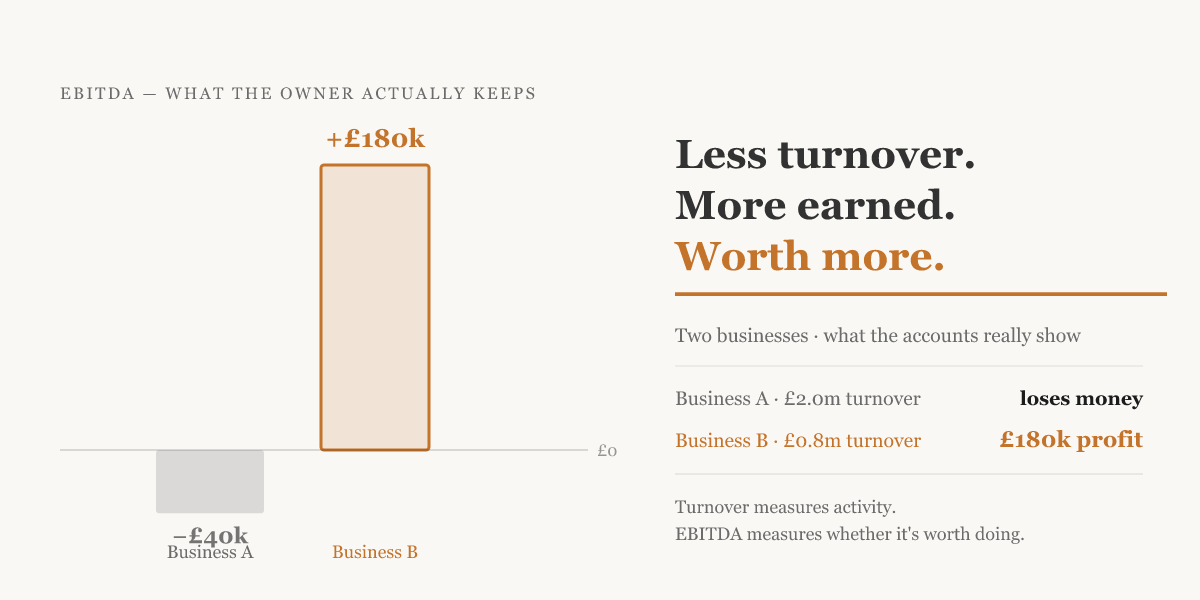
Turnover tells you how busy a business is. EBITDA gets closer to what it is worth. Here is the difference, in plain language, from someone who buys businesses.
Practical advice for business owners thinking about their next chapter.
Turnover tells you how busy a business is. EBITDA gets closer to what it is worth. Here is the difference, in plain language, from someone who buys businesses.
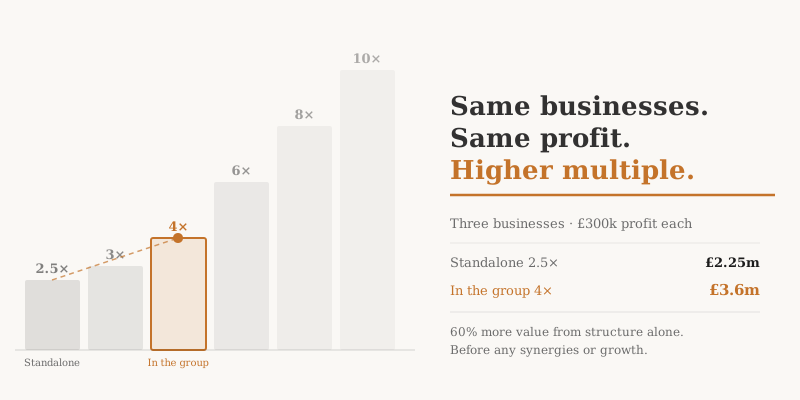
If you own a profitable small business, the market will undervalue it at exit — not because it isn't good, but because it's small. Group building changes that arithmetic entirely.
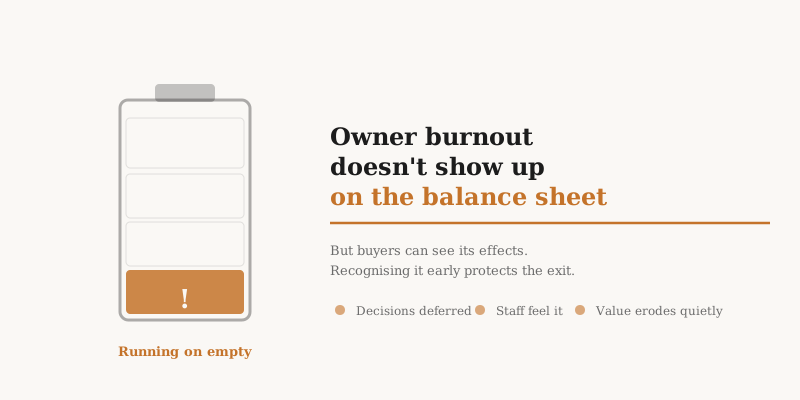
There is a particular kind of exhaustion that business owners know well. It is not the tiredness that comes from a hard week or a demanding project. It is the deeper, more pervasive kind — the feeling that the business that once energised you has become a weight you are carrying rather than a vehicl
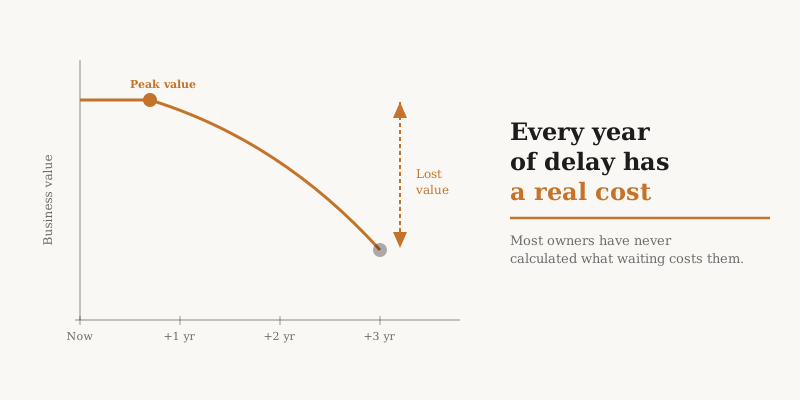
Every business owner who is thinking about selling but has not yet started the process is making a decision — they just may not realise they are making it. The decision to wait is not a neutral act. It has costs, and those costs compound quietly over time in ways that often do not become visible unt
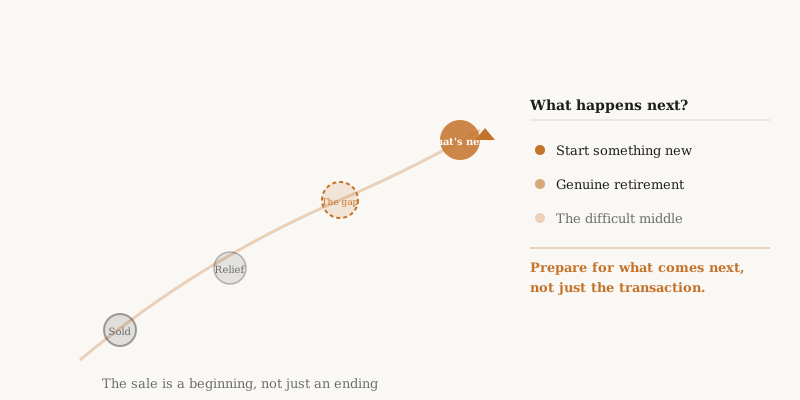
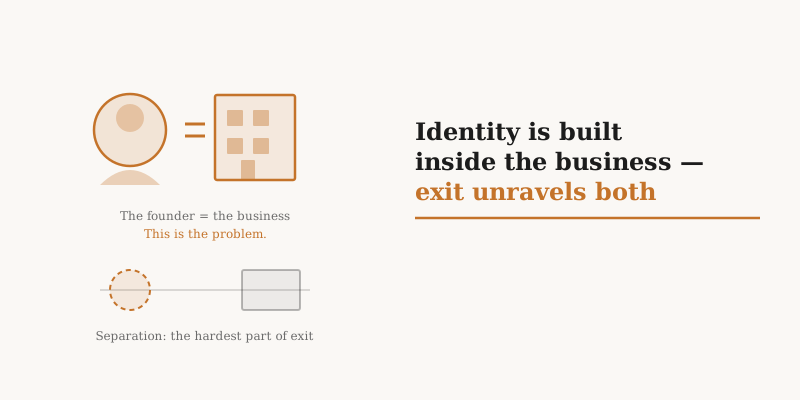
There is a conversation that almost never happens in the run-up to a business sale. Advisers focus on structure, price, and process. Accountants focus on the tax position. Lawyers focus on warranties and indemnities. And the owner, swept along in the current of the transaction, focuses on getting to
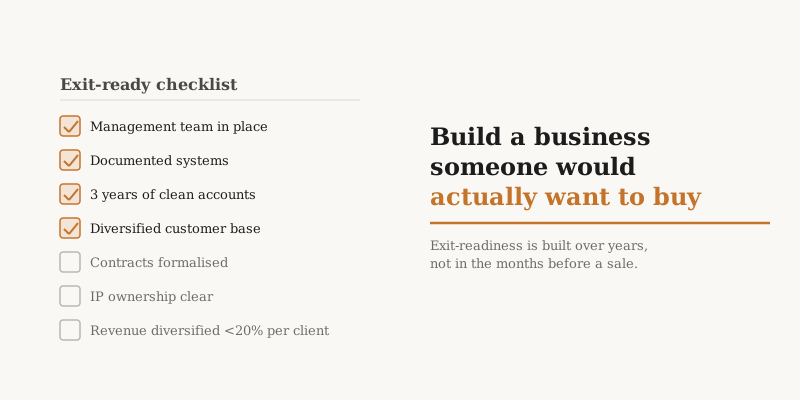
There is a useful thought experiment for any business owner, regardless of whether they are thinking about selling: if a credible buyer appeared tomorrow and offered you a fair price, could you sell? Not “would you want to” — that is a different question. Could you? Do the accounts tell a clear stor
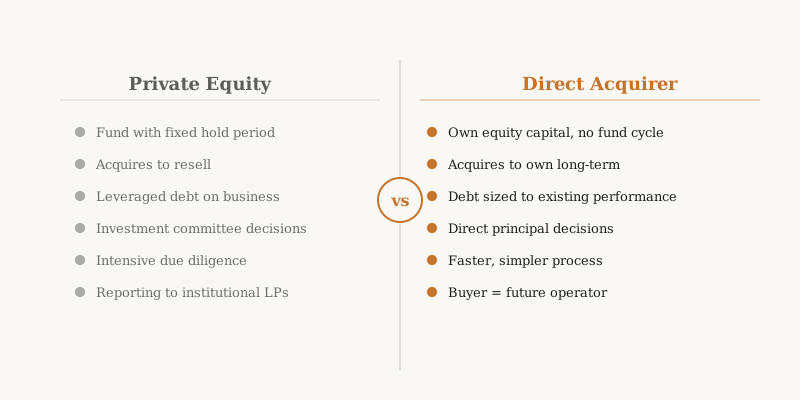
When business owners start exploring a sale, they quickly encounter a landscape that is more varied than they expected. Brokers, trade buyers, private equity firms, family offices, management buyout teams, and direct acquirers — all of them described as “buyers,” all of them approaching transactions
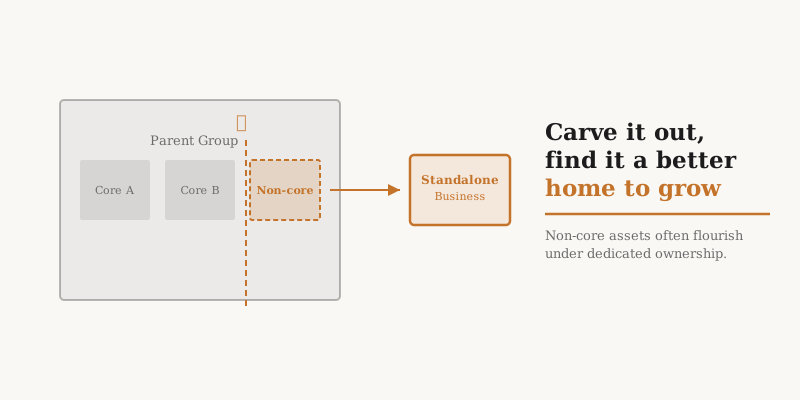
Not every business sale begins with a founder who has spent thirty years building something from scratch. A significant and growing proportion of acquisitions involve something different: a corporate group that has decided to exit a business unit, a subsidiary, or a division that no longer fits its
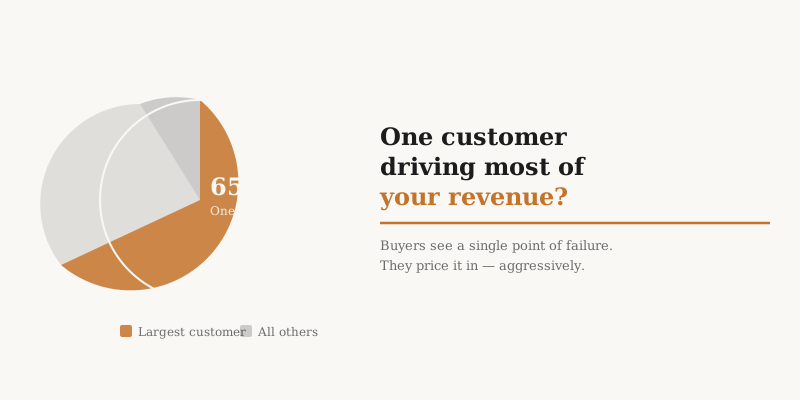
Most business owners know, in the abstract, that having too much revenue concentrated in one or two customers is not ideal. What very few of them know is exactly how much it costs when they come to sell. The answer, when the numbers become visible, tends to surprise people. What Buyers See When a bu
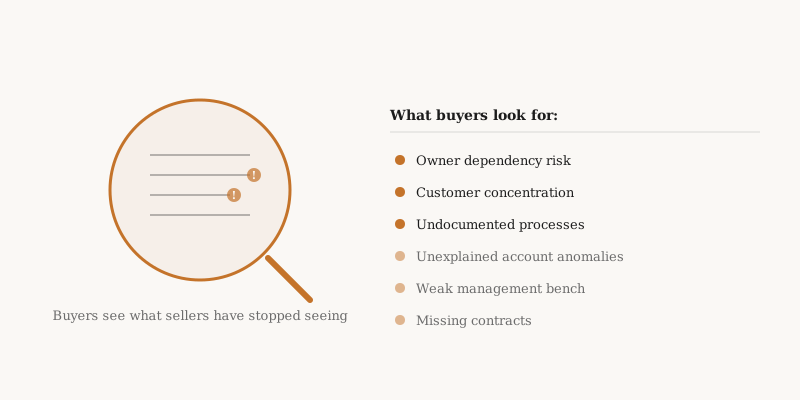
Every business looks different depending on which side of the transaction you are standing on. The seller sees fifteen years of effort, a loyal team, customers who have stayed for a decade, and a business that still turns up every day and does what it promises. The buyer sees the accounts, the contr
The financial negotiation is the part that gets all the attention. The valuation, the structure, the earn-out, the warranties. Advisers write about these things. Brokers negotiate over them. They are, in the language of the industry, the deal. But ask anyone who has been through the sale of a busine
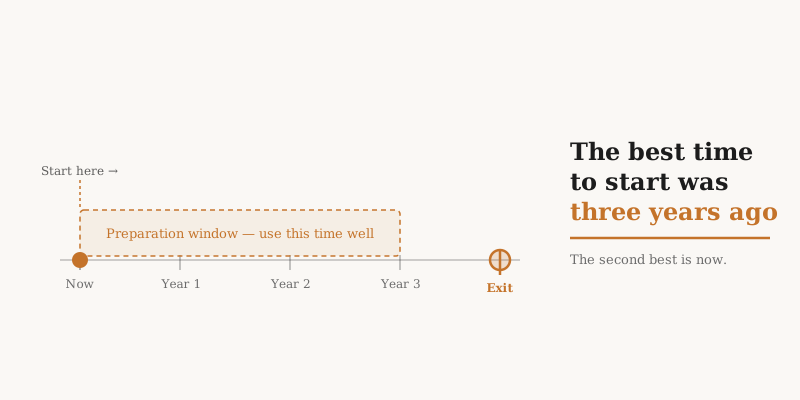
The most common thing business owners say when they first speak to us is some variation of: “I’m not ready to sell yet, but I’m starting to think about it.” They say it almost apologetically, as if they are wasting our time. They are not. They are doing the single most valuable thing an owner can do
There is a test you can apply to your business right now. It takes thirty seconds and the answer will tell you more about your exit prospects than most valuations will. The test: if you disappeared for six months — no calls, no emails, no availability — what would happen to the business? If the hone
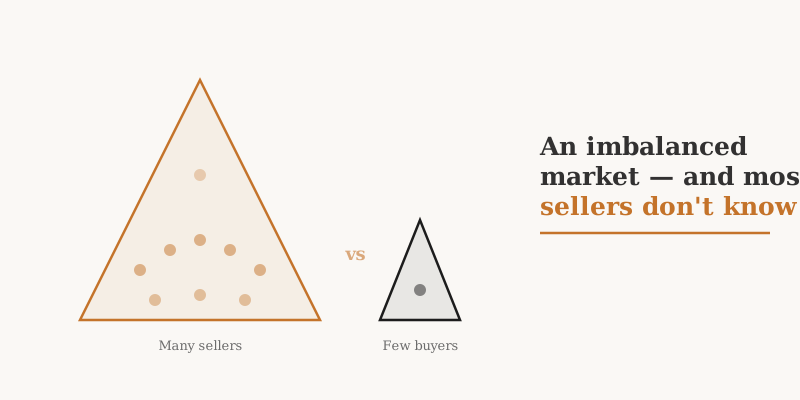
There is a question that every business owner should understand before they try to sell, but almost none of them do. It is this: where are the buyers? Not buyers in general. Buyers for a business like yours. A UK SME with £500,000 or £2 million or £5 million in turnover, a modest management structur
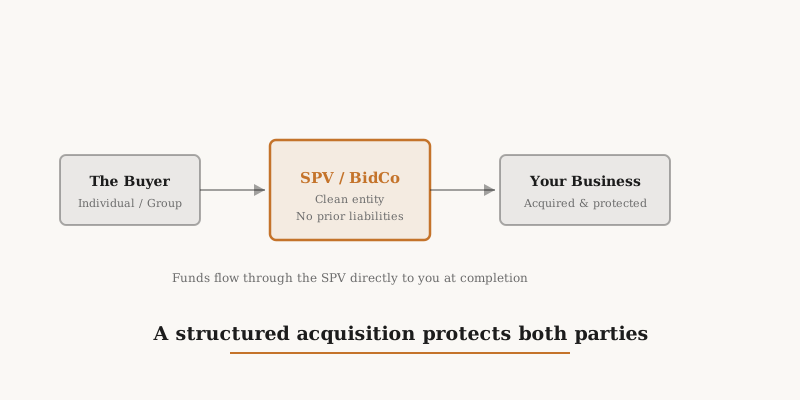
If you’ve started exploring the sale of your business, you may encounter a buyer who tells you they’re acquiring through a “Special Purpose Vehicle” — often referred to as an SPV, a BidCo, or a NewCo. For many sellers, this is unfamiliar territory. What is it? Does it affect your security? Should yo
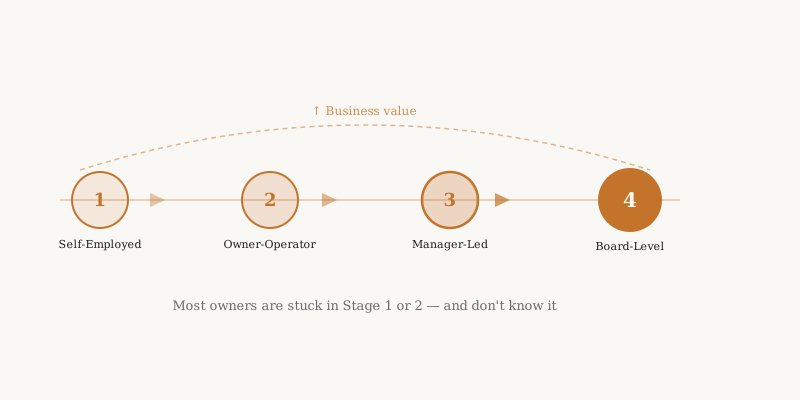
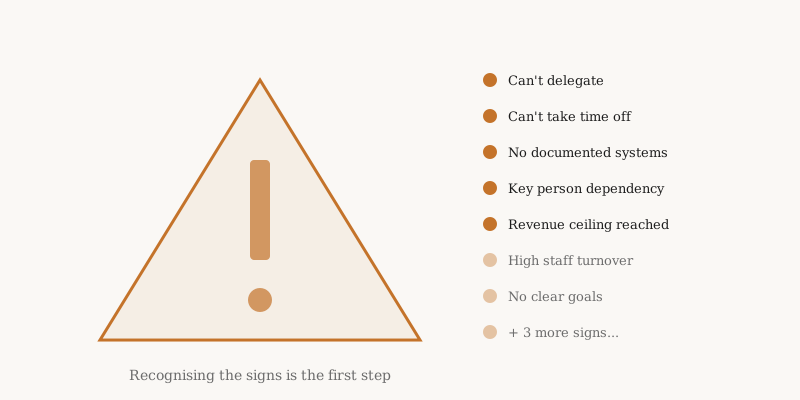
There’s a critical difference between owning a business and being employed by one you happen to own. The former gives you leverage, freedom, and the ability to step away. The latter traps you — reliant on your own daily input to keep things running, with no easy way out. Here are 10 warning signs th
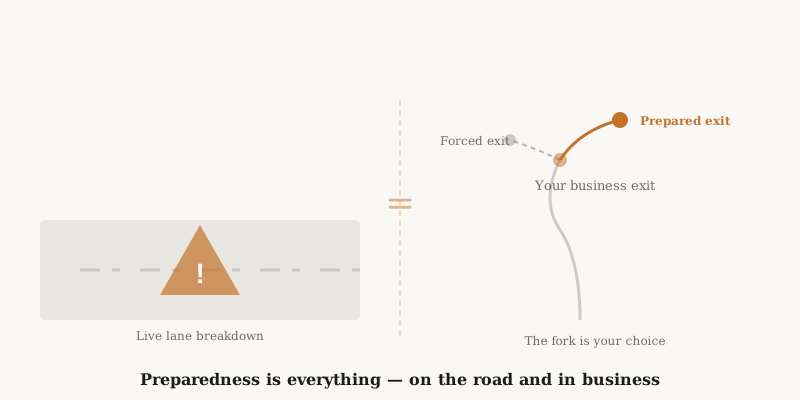
Recently, I had the unfortunate experience of breaking down in a live lane on a 70mph road during rush hour. It’s not something I recommend. It was as frightening as it sounds — vehicles passing at speed, no clear path to safety, and a growing sense that the situation was completely out of my hands.
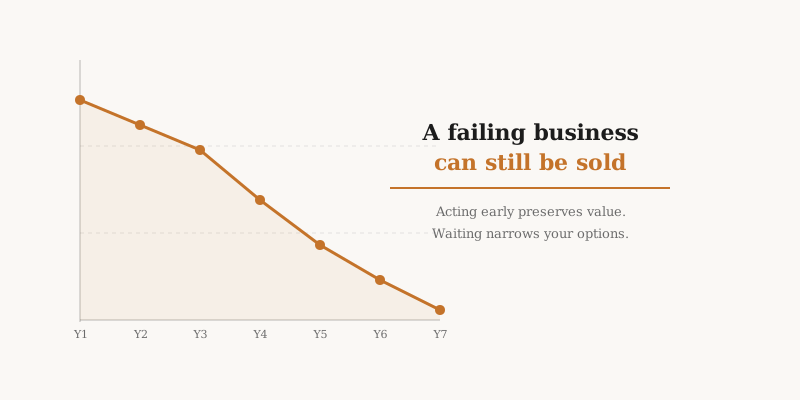
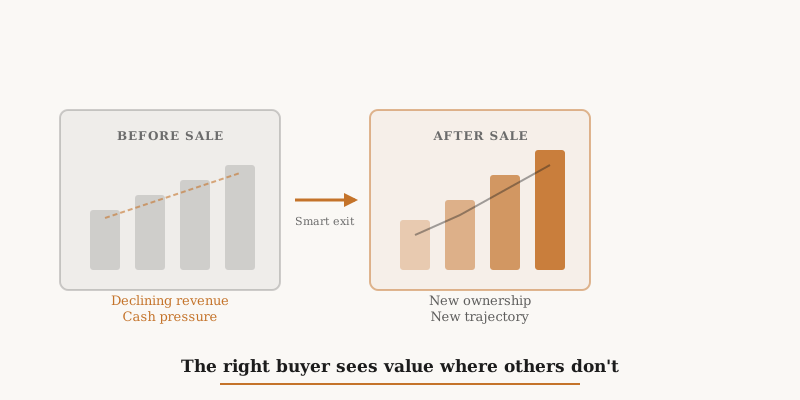
Facing a failing business doesn’t have to mean the end. In many cases, a struggling business can still be sold — and with the right approach, it can be sold for more than you might expect. The Reality of Failing Businesses Distressed businesses face significant challenges: declining revenue, cash fl
For many business owners, the idea of selling a struggling business feels like defeat. But in reality, selling a distressed business is often the most strategic and financially sound decision available — and the sooner it’s considered, the better the outcome tends to be. Reasons to Consider Selling
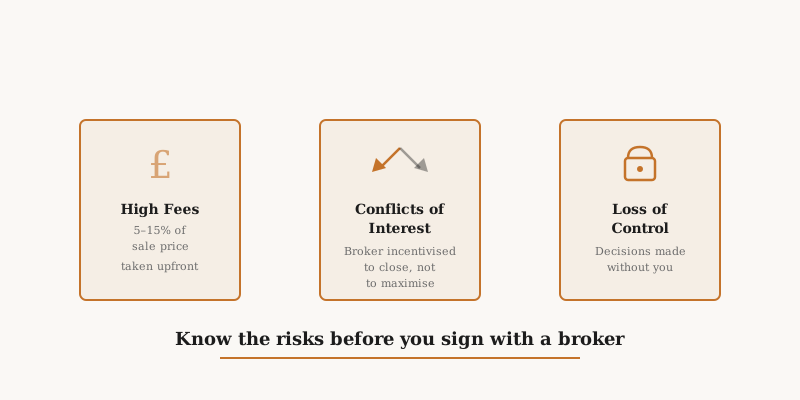
Using a broker to sell your business can seem like the obvious move. They have networks, they know the process, and they take the administrative burden off your hands. But the relationship comes with real downsides that are worth understanding before you sign anything. High Fees Business brokers typ
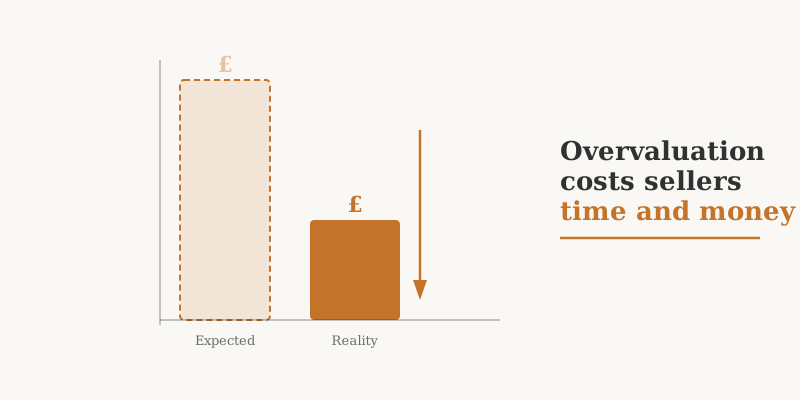
Of all the mistakes business owners make when preparing to sell, overvaluation is among the most common — and the most costly. It feels intuitive to value your business highly. You’ve invested years of your life into it. But when the asking price loses touch with what the market will actually pay, t
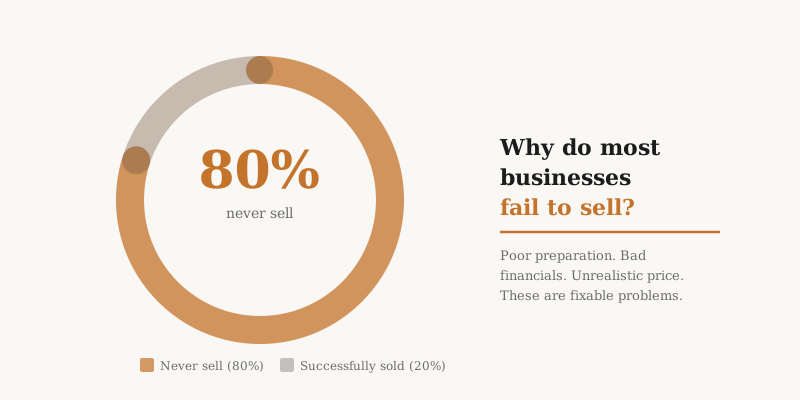
Selling a business can be tough. Finding buyers, agreeing on value, navigating legal complexity, and managing the emotional weight of letting go — all of these create real barriers. The statistics are sobering: only around 20% of businesses that come to market actually sell. This post explores the m
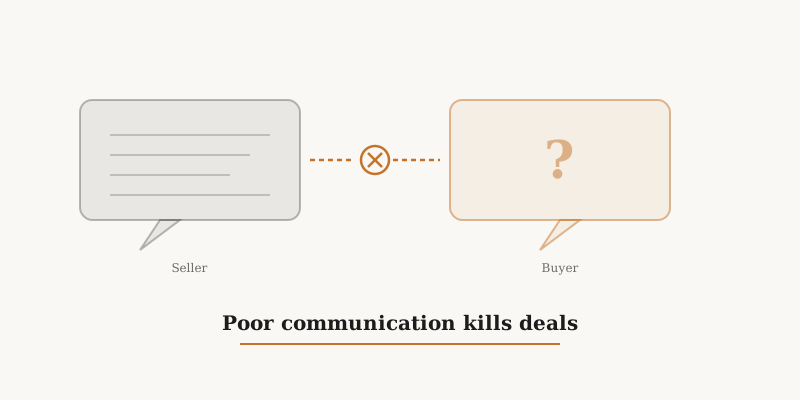
Most business owners, when a sale falls through, blame the buyer. The offer wasn’t high enough. The buyer got cold feet. The due diligence was unreasonable. But in a significant proportion of failed deals, the real cause is closer to home: poor communication from the seller. This doesn’t mean dishon
No obligation, no broker fees. Just an honest discussion about your options.