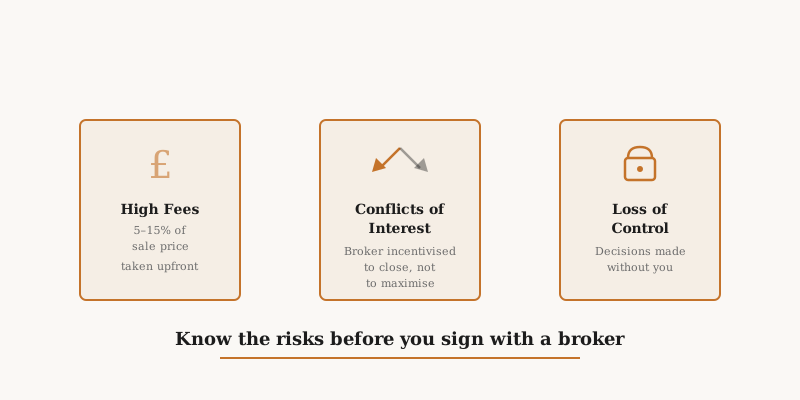
The main downfalls of using a business broker are high fees, a conflict of interest between what gets the broker paid and what gets you the best price, loss of control over the sale process, and the risk of an inflated initial valuation that damages your credibility with buyers. Brokers typically charge a success fee of 5% to 15% of the sale price, often with an upfront retainer on top, so on a £500,000 sale that can mean up to £75,000 leaving your pocket regardless of how good the deal was.
They have networks, they know the process, and they take the administrative burden off your hands, so working with a broker can still seem like the obvious move. But the relationship comes with real downsides that are worth understanding before you sign anything.
Using a broker to sell your business can seem like the obvious move. They have networks, they know the process, and they take the administrative burden off your hands. But the relationship comes with real downsides that are worth understanding before you sign anything. High Fees Business brokers typically charge a success fee of between 5% and 15% of the sale price, often with an upfront retainer too. On a £500,000 sale, that’s up to £75,000 leaving your pocket — regardless of how much work the broker actually did, and regardless of how good the deal was. There are also often hidden costs: marketing fees, listing fees, administration charges, and more. These can add up significantly, and they’re not always disclosed clearly upfront. Conflicts of Interest A broker’s primary incentive is to close a deal — any deal — because that’s when they get paid. This creates a structural misalignment between the broker’s interests and yours. A broker who has found a buyer and wants to collect their commission may encourage you to accept an offer that isn’t quite right. They may downplay concerns about the buyer’s credibility, the deal structure, or the terms. Their commission is locked in whether you achieve £400,000 or £500,000; the difference is entirely yours to bear. The history of business sales is full of transactions where sellers felt pressured to accept terms they weren’t comfortable with — because their broker was more motivated by closing than by maximising value. Lack of Control Working with a broker means handing over control of one of the most significant financial events of your life to someone whose interests are not perfectly aligned with yours. Communications with buyers may happen without your full involvement. Decisions about how your business is presented, valued, and marketed are made by someone else. If you have a broker who doesn’t communicate well or who takes approaches you wouldn’t have chosen, course-correcting mid-process is difficult and disruptive. Misrepresentation of Value Brokers sometimes inflate valuations at the outset to win a business owner’s confidence and secure the listing. An unrealistically high asking price may feel flattering initially — but it leads to prolonged time on the market, price reductions, and a weakened negotiating position when a serious buyer eventually arrives. Overvaluing a business damages credibility with buyers and can make the eventual sale harder than it needed to be. We’ve written in more detail about the consequences of overvaluing your business . Alternatives to Using a Business Broker Sell directly Selling your business yourself gives you full control of the process and eliminates broker fees entirely. It requires more time and effort — and a good understanding of valuation, due diligence, and negotiation — but for business owners who are well-prepared, it is entirely achievable. Work with a specialist lawyer A lawyer experienced in business sales can handle the legal and structural aspects of a transaction, protect your interests in negotiations, and ensure all documentation is correctly prepared. Legal fees are typically charged at an agreed rate rather than a percentage of the sale price. Sell directly to an acquirer Working with a direct buyer — rather than listing through a broker — removes the intermediary entirely. You deal with the person who will actually own and run the business, which makes for a more direct, efficient, and often more human process. This is exactly how Oceanus Group operates. We deal directly with business owners, with no broker involved on our side and no expectation that you’ll use one either. Tips for Selling Without a Broker Know your business’s value. Understand your financials, your industry’s typical valuation multiples, and what comparable businesses have sold for. If you need help with this, commission an independent valuation. Prepare for due diligence. Buyers will want to see at least two to three years of accounts, a list of contracts and commitments, employee details, and information on any material risks. Having this ready in advance speeds up the process considerably. Promote effectively. Reaching the right buyers matters more than reaching a lot of buyers. Think carefully about who would value your business most and how to reach them. Negotiate with clarity. Know what matters most to you — whether that’s the headline price, the payment structure, the security of your staff, or your involvement post-sale — and be clear about it from the start. Conclusion A business broker can add value in certain situations — particularly for very large, complex transactions where their network and deal experience is genuinely relevant. But for most SME sales, the fees are high, the control you give up is significant, and the interests of your broker and your own are not perfectly aligned. Understanding your alternatives — including selling directly to an acquirer — puts you in a stronger position from the outset. If you’d like to explore what a direct sale looks like, get in touch for a confidential conversation. Ready to explore your options? We're direct acquirers — no broker fees, total confidentiality, and no obligation to proceed. Start a Confidential ConversationReady to explore your options?
We're direct acquirers — no broker fees, total confidentiality, and no obligation to proceed.
Start a Confidential Conversation